Multilayer PCBs: Why Designs Add Layers
Inner copper layers give a dense circuit room on a smaller, lighter board and give power and ground their own planes.
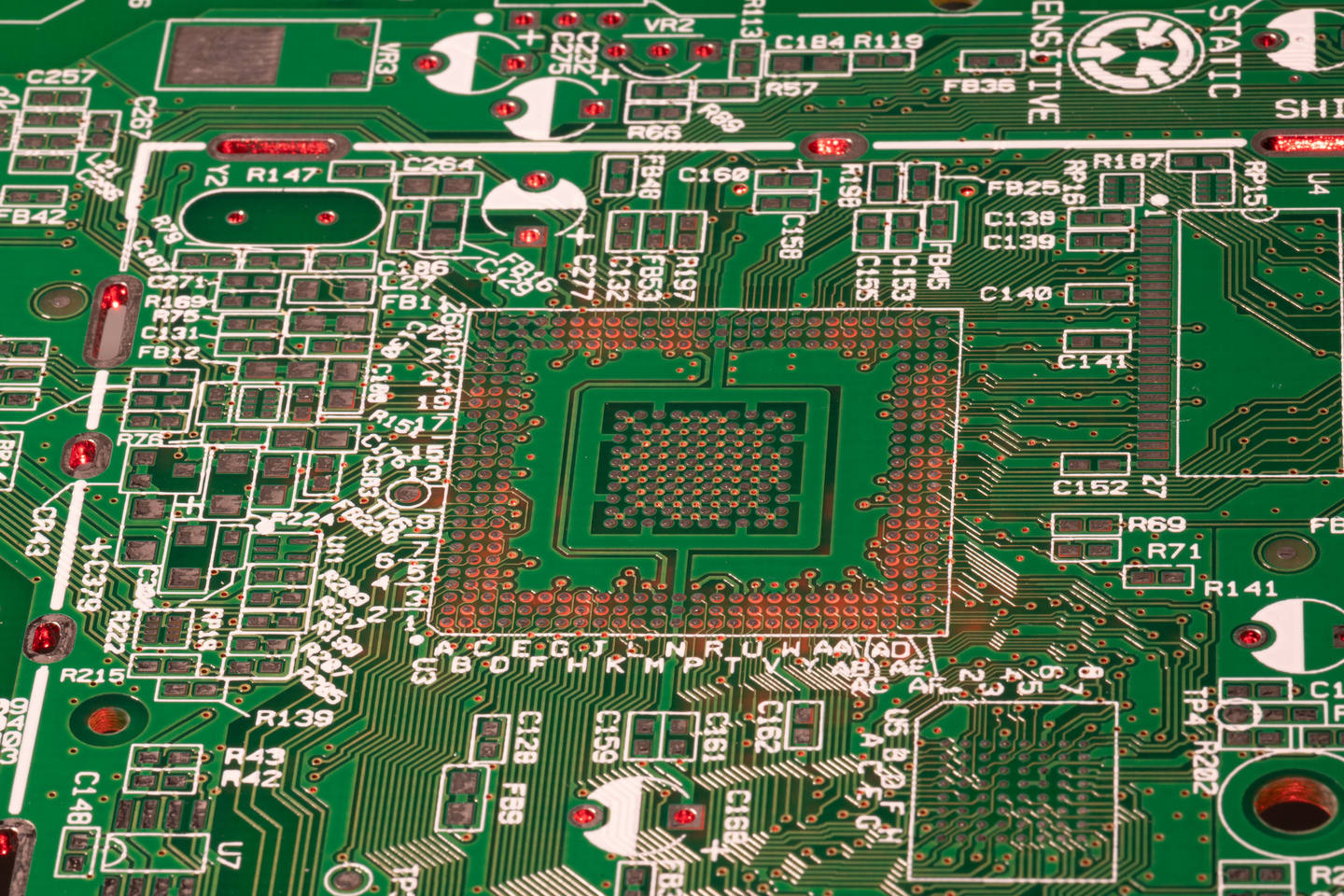
One of the first decisions in a new board design is how many copper layers it needs. A single-sided or double-sided board carries copper only on its outer surfaces. A multilayer PCB adds copper layers inside the board, laminated between insulating layers into one part, and can carry from three to more than 20 layers.
Why Designs Add Layers
The first reason is room. Inner layers carry traces that would not fit on two surfaces, so a dense circuit fits on a smaller, lighter board, and a circuit that once took two boards joined by a connector can often fit on one.
The second is electrical. A multilayer board can give power and ground their own planes. Placing those planes on adjacent layers turns the thin laminate between them into a capacitor spread across the whole board. Routing the fastest signals next to the ground plane keeps their return paths short, and a lower impedance return path means better electromagnetic compatibility, according to an application note from Freescale, now part of NXP.
Where Multilayer Boards Are Used
Multilayer boards are found in computers, microwave ovens, air conditioners and cell phones; in cars, in on-board computers, GPS units and electric vehicles; and in space, telecommunications, military high-speed circuits and industrial equipment, where their small size, low weight and durability count.
Multilayer Assembly at Kodiak
Kodiak assembles multilayer boards from prototype to production for OEMs in markets from RF to industrial controls. Through new product introduction, it works with OEMs from design to manufacturing.