How Technology Is Changing the Manufacturing Industry
Robots, connected sensors, cloud data and wearables were all at work on factory floors in 2017. Each changed a different part of the job, from spotting a fault on the line to keeping an operator alert.
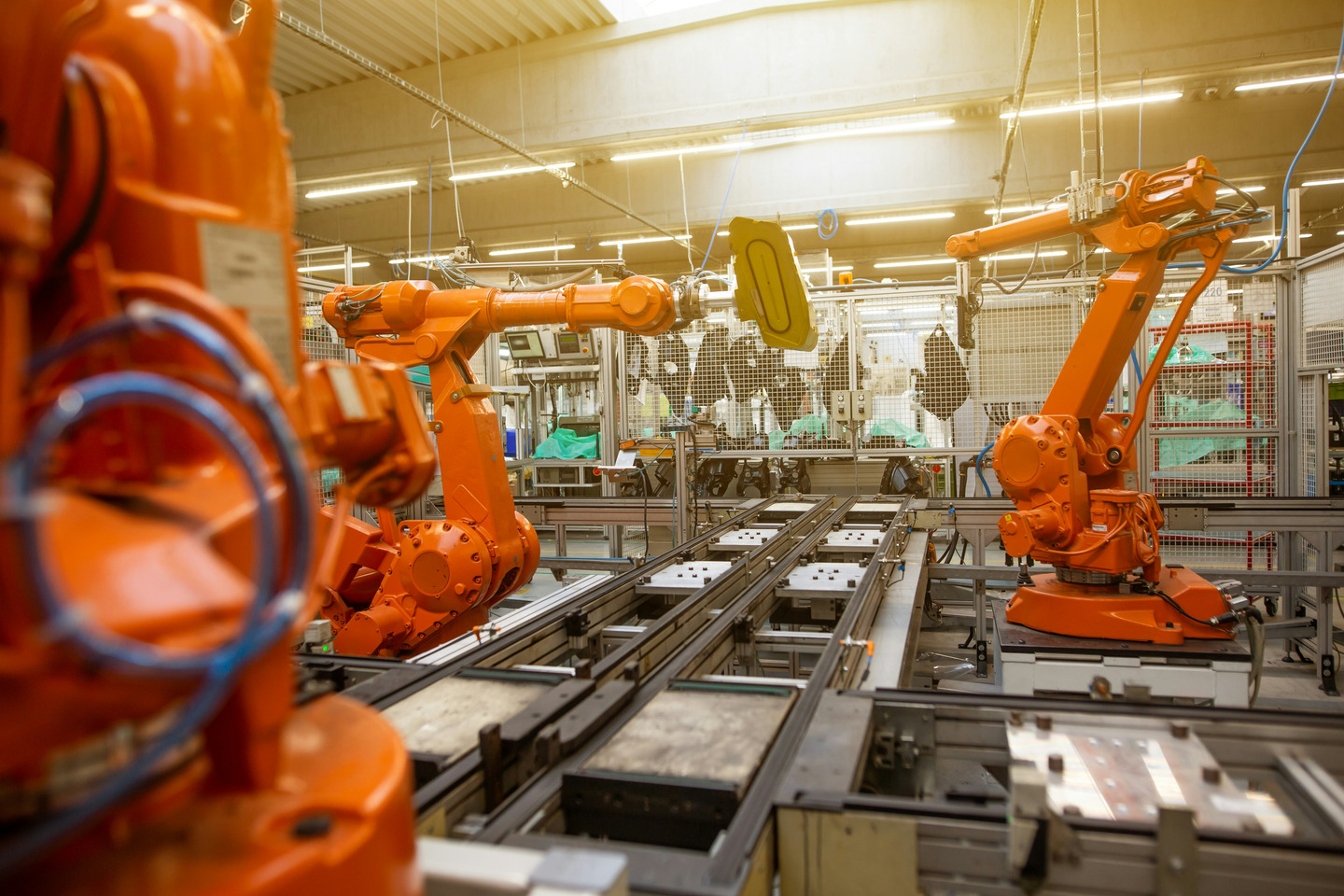
Technology has moved fast enough over the past two decades that email, once an advanced way to communicate, now feels ordinary. Factories have changed just as quickly, as new tools raise speed, precision and efficiency on the production floor.
The output numbers show how far the manufacturing industry has come. Workers were producing 47% more than they did 20 years earlier, Brookings reported in 2016.
Robots and Machine Learning
Industrial robots are spreading quickly. There were 1.2 million robots in factories and warehouses in 2013, Brookings reported, and the International Federation of Robotics expected the world’s industrial robot population to pass 2 million in 2017, ASME reported.
Most of these machines look nothing like the robots in films. Many carry sensors that detect a fault and alert the right person straight away. Without that alert, a problem on the line can go unnoticed for hours, delaying production and costing money.
Machine learning is changing manufacturing in other ways. One is demand planning: models that track consumer trends can help a manufacturer prepare for rising or falling demand.
The Internet of Things
In a factory, connected equipment can share information without anyone stepping in. Many IoT systems still had basic functions in 2017, but manufacturers were already using them to track factory assets and add analytics. Connected sensors can also flag a damaged or malfunctioning machine and notify staff at once, which cuts downtime and waste and keeps a production delay from driving up costs. Kodiak saw the same shift from the build side that year, assembling electronics for IoT products in energy storage, security and sports.
Cloud Computing
Cloud computing is already common in homes and offices, and it is changing manufacturing too. It lets a manufacturer manage, process and store production data across a network of internet-connected devices, so that data is easy to keep and easy to find later.
Wearable Devices
Some technology is built for the people on the floor rather than the process. Wearables for manufacturing go well beyond activity and sleep trackers, with devices designed to improve ergonomics and reduce fatigue during a shift.
Google Glass is one example. After it left the consumer market, it found a second life in factories, NPR reported in March 2017. At AGCO’s plant in Jackson, Minnesota, workers scan a part’s serial number to pull up manuals, photos or videos, check instructions without leaving their station, and leave voice notes for the next shift. Peggy Gullick, AGCO’s business process improvement director, told NPR that quality checks had become 20% faster.
Optalert glasses are another. Light emitters and receivers built into the frames measure eye and eyelid movement to detect the onset of drowsiness, often before the wearer notices it, and the system sounds a warning straight away, International Mining reported. Mines use it to keep equipment operators safe.
Kodiak builds electronics for OEMs bringing products like these to market, with PCB assembly, testing and box builds at its Austin facility from NPI to production.