Artificial Intelligence and the Future of Chip Manufacturing
Google had a chip built for machine learning, and Intel planned to test one, in early 2017. AI features reached phone cameras and smart speakers within days of each other that April, and the chips built for AI are the next wave of chip manufacturing.
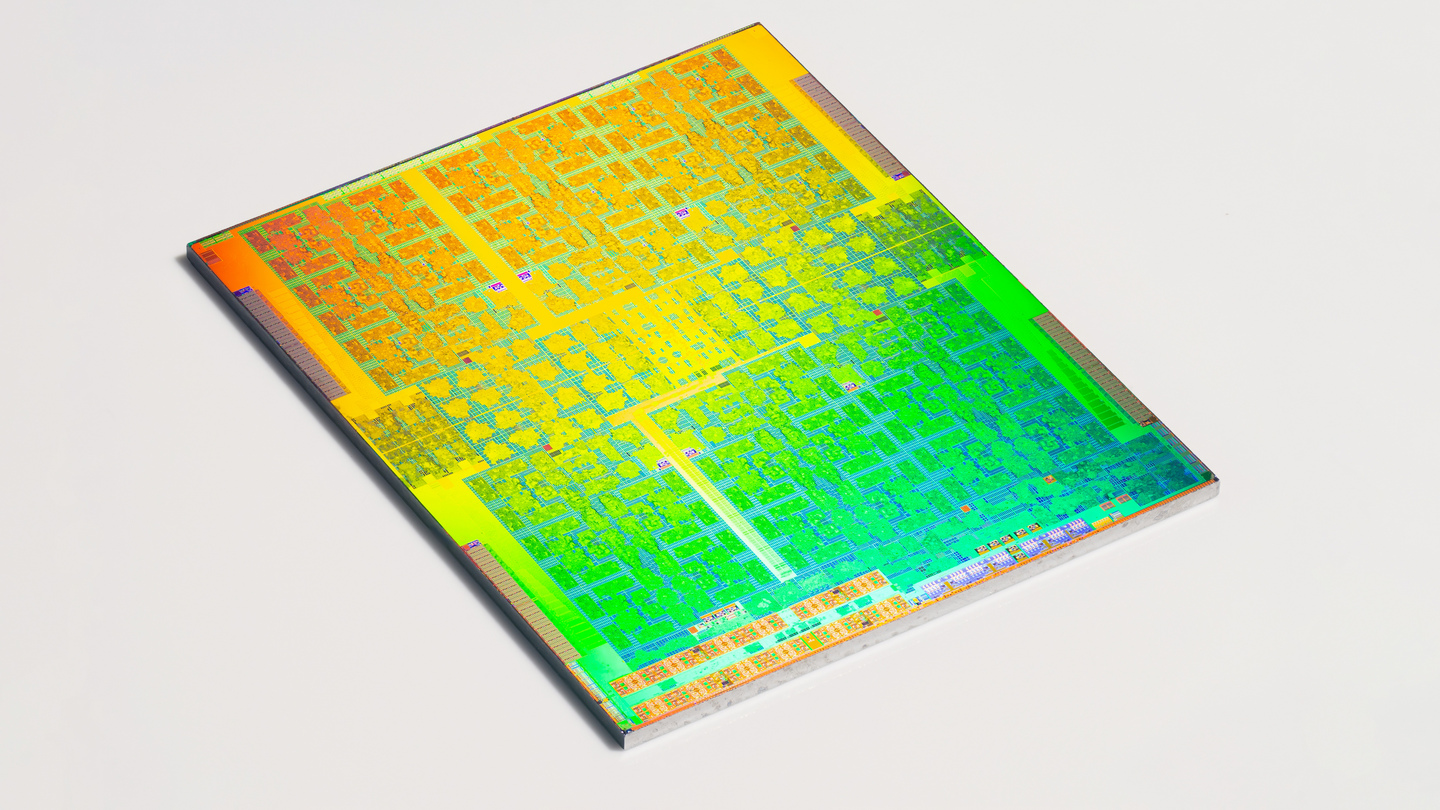
Merriam-Webster defines artificial intelligence as the capability of a machine to imitate intelligent human behavior, and film has imagined it for decades, from 2001: A Space Odyssey to Ex Machina.
Artificial intelligence is moving into products the way the Internet of Things did a few years earlier, both on its own and as a way to make connected devices more capable through machine learning. Smart home features were among the IoT’s first broad uses, and they are among the first places AI is showing up.
Neural networks, the technique behind much of this work, are back at the center of the field, and so are some of the people who built early hardware for them. Yann LeCun, who works at Facebook’s artificial intelligence lab, helped develop ANNA, a neural network chip built at Bell Labs that could perform four billion operations per second in 1991, The Next Platform reported. Facebook now uses neural networks for image and face recognition.
The chips are arriving one after another. Google reported in April 2017 that its Tensor Processing Unit, a custom chip running in its data centers since 2015, ran its production neural network inference workloads 15 to 30 times faster than contemporary CPUs and GPUs. Intel planned to test Lake Crest, a chip built on technology from its Nervana acquisition, in the first half of 2017, SiliconANGLE reported. For chip manufacturing, AI is the next wave after the IoT.
What to Expect from the Latest AI Push
At its F8 conference in April 2017, Facebook launched its Camera Effects Platform, which lets developers build augmented reality effects for the phone camera, including live broadcasts. Mark Zuckerberg described the camera as the first mainstream augmented reality platform.
Google Home learned to tell voices apart the same month. Up to six people can share one device and get personalized answers once the assistant has learned each voice, TechCrunch reported. The device still responds to anyone who speaks to it, which MIT Technology Review flagged as a security concern.
Education is another target. A Research and Markets report projected that AI in the U.S. education sector would grow 47.5% through 2021, eCampus News reported, with adaptive learning games that adjust to each student among the main uses. AI could also help students work out which careers suit them and how to get there.
After years of warning about AI, Elon Musk outlined Neuralink’s plan that April to link the human brain with computers, so that two people with brain interfaces could share a concept directly, Fortune reported.
AI has been at work in banking, security and marketing for some time, and it is spreading into every industry, manufacturing and assembly included.
Each of these features reaches people through a device, from a phone camera to a smart speaker, and each new AI chip means new hardware to source, assemble and test. Kodiak worked with chip designers through the IoT boom, building the boards behind NXP’s BlueBox among other projects, and it brings the same PCB assembly and testing to OEMs building products around AI chips.