The Passive Component Shortage: Demand and Its Impact on Industries
A sharp shift in demand toward products built with more electronics kept chip resistors and multilayer ceramic capacitors short into 2018, with resistor lead times out as far as 52 weeks. Memory chips ran short at the same time, for reasons of their own.
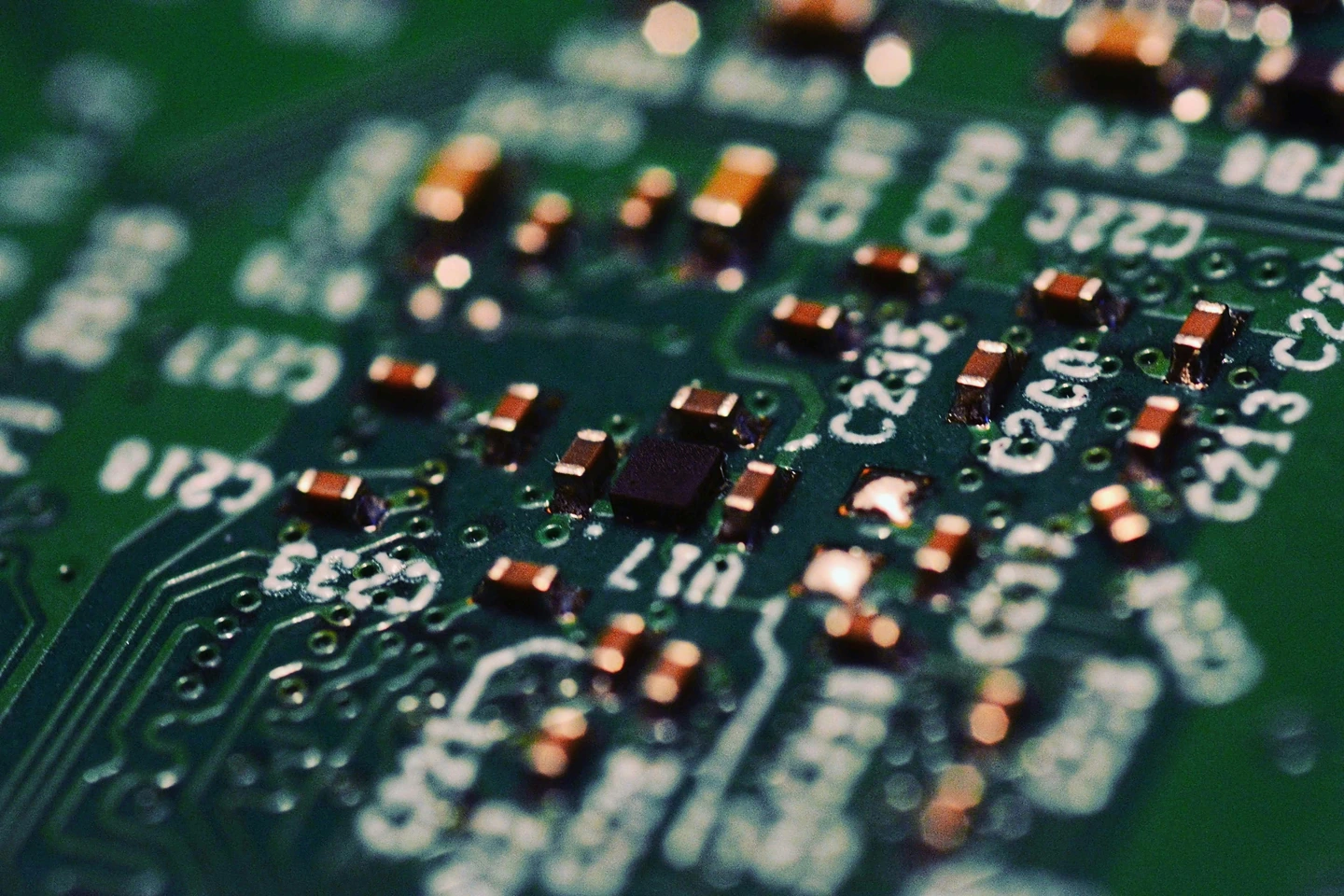
The passive component shortage grew out of a sharp shift in demand toward products built with more electronics. Double ordering made it worse, EE Times reported, but rising demand sat underneath it.
An earlier issue looked at the memory parts in short supply. This one looks at which passive components ran short, who the shortage affected, and why it happened at all.
Which Passive Components Ran Short
Passive components (resistors, capacitors, inductors and transformers) are needed to build almost every electrical or electronic circuit. The shortage did not cover every part: it centered on a few whose demand had grown fast over the last few years.
Rapid change in technology, together with competition between large companies, drove these parts into short supply.
Thick-Film and Thin-Film Chip Resistors
Thick-film and thin-film chip resistors are among the most common resistors on the market, found in nearly every device with an AC plug or a battery. Thick-film parts are the general-purpose surface mount resistor, while thin-film parts cost more and are chosen where tighter tolerance and stability matter, as in precision and microwave circuits.
Demand for both kept climbing. By October 2017, thick-film and thin-film chip resistor lead times were out as far as 52 weeks, according to an industry update from Stifel reported by EE Times.
Multilayer Ceramic Capacitors
Capacitors were just as tight. Distributor TTI counted 22% of capacitors as highly constrained, meaning lead times longer than 26 weeks, mostly on multilayer ceramic capacitors (MLCCs), the same EE Times report said.
Passives suppliers in general were quoting 20-week lead times. Rather than adding capacity on a wide scale, as suppliers usually do when shortages hit, some were turning existing capacity toward newer, more profitable products.
A Separate Shortage: Memory
Memory chips are active components, not passives, and their shortage had causes of its own.
- NAND flash, the storage in smartphones, laptops and desktop computers, was tight because the move from 2D to 3D NAND manufacturing went more slowly than planned for suppliers other than Samsung, according to TrendForce.
- DRAM, the low-cost, high-capacity main memory in computers and graphics cards, was tight as phones and data centers needed more of it, according to TrendForce.
- DIMMs, dual in-line memory modules that carry DRAM chips on a small board plugged into a motherboard, are built for PCs, workstations and servers. Server DRAM was expected to stay in short supply through the rest of 2017, TrendForce reported, as data center projects kept demand rising.
Where the Demand Came From
Demand was only part of the picture. Production capacity, supply chain disruptions, obsolescence and technology migration can all contribute to scarcity, EPS News noted in November 2017.
On the demand side, growth came from the Internet of Things and from the automotive, mobile and industrial markets, the same report said.
Cars were the clearest case. The growing amount of electronics in cars produced a supply imbalance of SMT resistors, at least in North America, EE Times Asia reported in September 2017, and driver assistance and in time autonomous driving could bring more shortages. The automotive side gets more detail in an October 2017 issue on shortages and manufacturing.
Phones added their own pull on memory. Apple alone buys about 18% of the world’s annual supply of NAND flash chips, analysts told Reuters in June 2017, as electronics makers rushed to lock up memory ahead of Apple’s fall 2017 phone launches.
Which Industries Felt It Most
Constant pressure to build new technology into everyday products, just to stay competitive, drove the surge in demand. The passive component shortage reached countless companies, but three areas felt it most: the automotive industry, mobile devices, and industrial markets.
Planning Ahead
Tight supplies of capacitors and resistors were expected to last into mid-2018 or longer, EE Times reported. Planners should not wait to place orders, and should order ahead of demand.
Questions about component lead times belong with the manufacturing partner well before a build, while there is still time to find an alternate source for a constrained resistor or capacitor. Kodiak sources from approved distributors and alerts the customer early when a passive component on a build goes on allocation.