How Tariffs Could Affect the Manufacturing Industry
The United States began collecting a 25% tariff on $34 billion of Chinese imports on July 6, 2018, with more lists under review. Capacitors, resistors and chipmaking equipment were on the lists while many of those parts were already short.
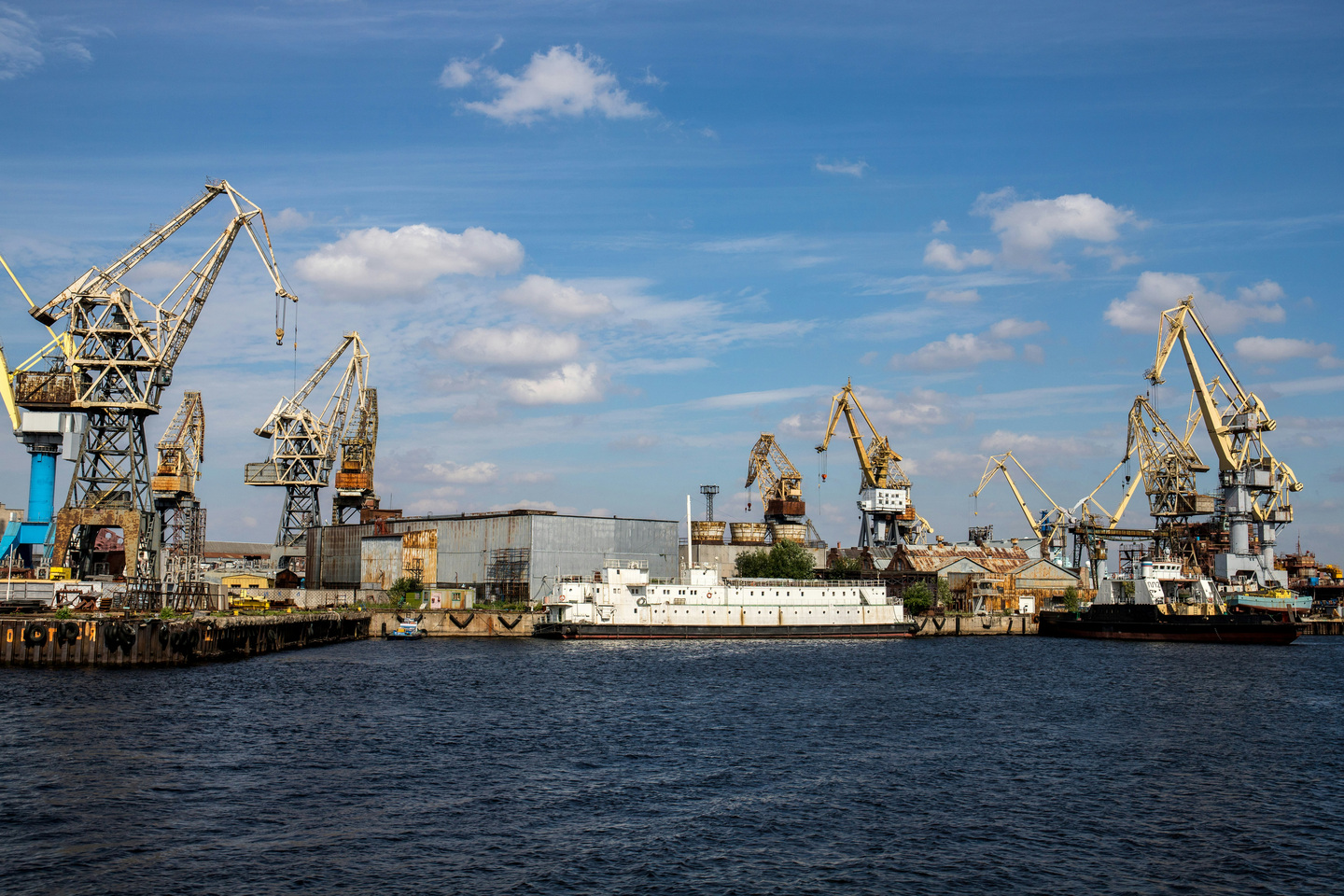
The component shortage was already the industry’s main concern when tariffs arrived on top of it.
In April 2018, the Office of the U.S. Trade Representative (USTR) proposed tariffs on about 1,300 tariff lines of Chinese imports, worth around $50 billion, in response to Chinese technology and intellectual property practices. The final list followed in June: a 25% tariff on about $34 billion of imports, collected from July 6, 2018, with another $16 billion under review, USTR said.
China answered with tariffs on $34 billion of U.S. exports, and on July 10 the U.S. Trade Representative said the President had ordered USTR to begin the process of imposing a 10% tariff on another $200 billion of Chinese imports. That raised the risk of a trade war between two of the largest economies in the world.
Components Could Be Harder to Obtain
The lists reached deep into electronics. The tariffs proposed in April covered tantalum, aluminum, ceramic, paper and plastic capacitors, many resistors, fuses, relays, LEDs and transistors, according to eeNews Europe.
The final $34 billion list covered many products in the semiconductor supply chain, including test and inspection equipment, and the $16 billion proposal reached the machines and spare parts used to make semiconductor devices and wafers, according to SEMI. The Semiconductor Industry Association objected that most of the semiconductors proposed for tariffs were researched, designed and manufactured in the United States.
Technology and electronics companies could be hurt the most, because many buy from suppliers in China and sell to companies in China as well.
With many electronic components already short, tariffs could make them even harder to obtain and add financial strain. That would favor companies that can afford the higher cost, or that offset it by cutting jobs or passing it on to consumers.
With the shortage still running, the threat of tariffs on many Chinese imports, and China ready to retaliate, it was time to talk about reshoring, or at least about diversifying sourcing.
A Bigger Shift Toward Reshoring
One result for domestic manufacturers could be a renewed move toward reshoring. If tariffs made overseas manufacturing too expensive, more companies would move production back to the United States.
Reshoring is not a bad outcome for the U.S. economy, and it can save an OEM time and money, but for many companies it would be an unexpected change.
Larger companies with established resources, their own manufacturing and a wide network of suppliers can respond to changes in policy much faster than smaller companies that rely on parts and products from overseas.
Uncertainty and Unpredictability
As of mid-July, the tariffs were not settled, which cut both ways. The $16 billion list was still under review, the $200 billion proposal had just been announced, and China had already retaliated.
Uncertainty puts decision makers on edge and can force large decisions on short notice. Harley-Davidson, for example, said in a June 25, 2018 SEC filing that European Union tariffs on its motorcycles exported from the U.S. had risen from 6% to 31%, and that it would shift production of motorcycles for EU customers to its international facilities.
Combined with the ongoing component shortage, that uncertainty left many companies in a tight spot. For companies without the buying power of an Apple, it made sense to widen the list of suppliers and consider a domestic contract manufacturer.
Kodiak Assembly Solutions is a domestic contract manufacturer in Austin, Texas, where OEMs can base their production in the United States rather than overseas.