The Manufacturing and Assembly Technology Evolution
The Internet of Things, automation and artificial intelligence were changing how factories planned production, tracked supply and staffed the line in 2018.
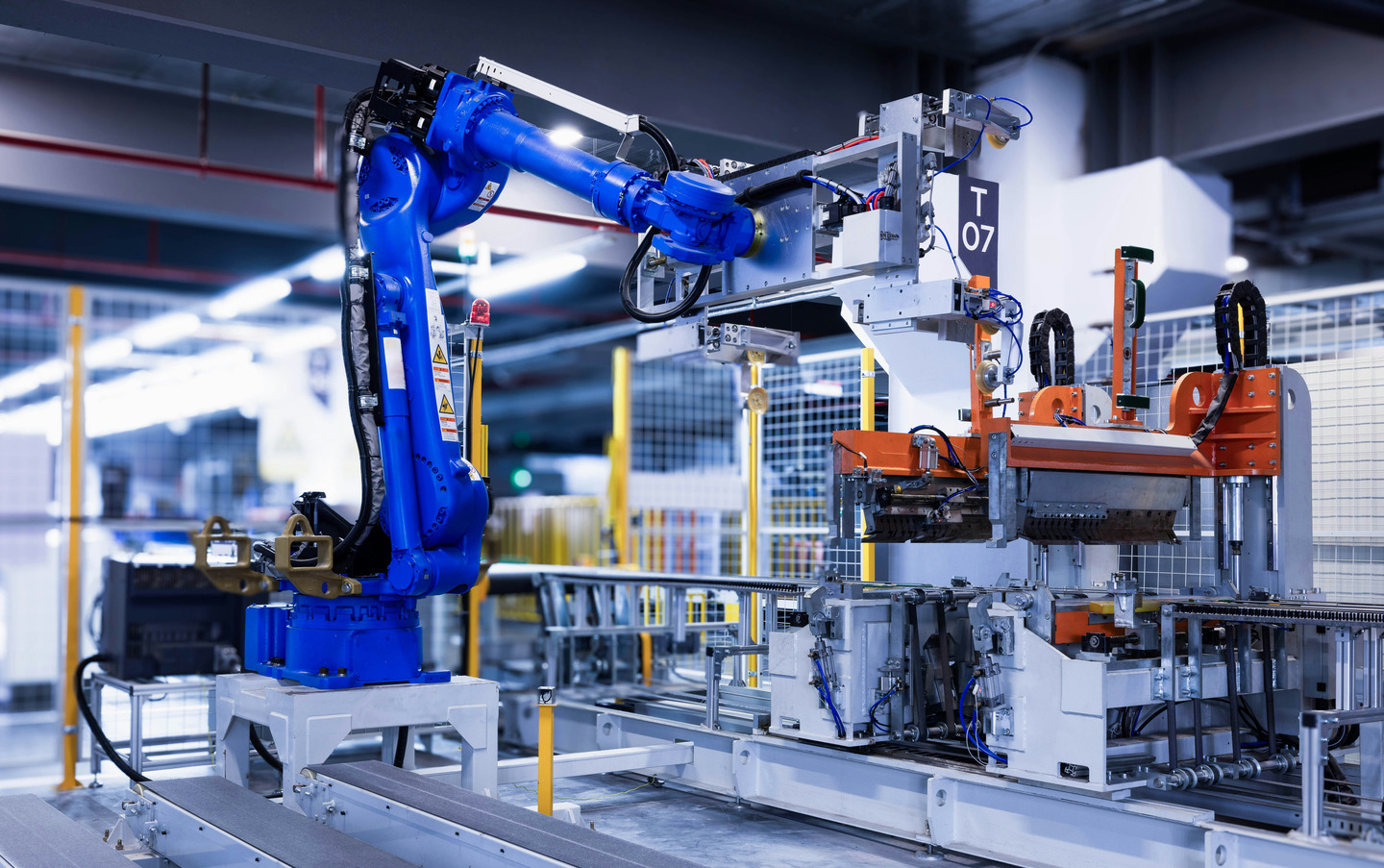
Manufacturing and assembly technology keeps evolving. New tools build on what factories already did, raise efficiency and output, and bring more attention to sustainability in an industry built on mass production a century ago.
The Internet of Things
The Internet of Things (IoT) kept growing on the factory floor as technology trends shifted, and one of its clearest results was the smart factory.
A smart factory combines planning, data, automation and artificial intelligence to keep productivity high and costs low. Connected products report how they perform, and that data feeds back into production, so problems can be diagnosed and maintenance planned before issues arise.
The same connected data can link supply chains, improving inventory tracking and product management, and it may help predict component shortages before they arrive.
IoT was also moving into product design from the start. By the end of 2018, more than 50% of manufacturers would be building IoT technology into their products from day one, Antony Bourne of IFS predicted in IndustryWeek.
Automation
Automation can look like a recent arrival, but robots have worked on factory floors for decades. The first industrial robot, Unimate, was installed in a General Motors plant in 1961, according to the Robotic Industries Association.
Robots work alongside people on the assembly line rather than taking over from them. In April 2017, the International Federation of Robotics reported that robots complement human labor by performing routine or dangerous tasks, and that they were driving demand for higher-skilled workers.
That frees people on the line from repetitive work for more satisfying jobs, and it creates new ones in programming and maintaining the equipment. As machines share data, robots can also coordinate tasks with one another on the factory floor.
Artificial Intelligence (AI)
AI had moved out of science fiction and onto the factory floor. Cloud computing and machine learning made it practical for manufacturers to put AI to work on production and planning, and many experts saw it as central to the smart factory.
One of its most useful jobs is demand forecasting. In some settings, AI-based demand forecasting was expected to cut forecasting errors by 30 to 50% compared with conventional approaches, the McKinsey Global Institute reported in June 2017. Better forecasts mean a clearer view of what parts will be available and when.
AI use in manufacturing and assembly, including chip manufacturing, was set to keep growing. Combined with automation and IoT, machine learning gives manufacturers more of the efficiency Industry 4.0 promised, another step in the evolution of technology in manufacturing.
The same evolution reached Kodiak’s floor in Austin, Texas: by January 2018, a Fuji XPF placement machine had joined one of its three SMT lines.